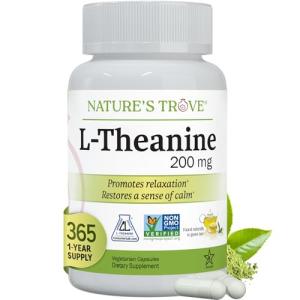
If you’re struggling to catch those Zs at night, herbal remedies might be just what you need. Many people have found natural options that help ease them into restful sleep. Here are a few popular herbs known for their calming effects.
Chamomile: This sweet-smelling flower is famous for its soothing properties. Drinking chamomile tea before bed can help you unwind and prepare your mind for sleep. Its gentle nature makes it a favorite among those seeking a natural sleep aid.
Valerian Root: Valerian has been used for centuries to help with insomnia and anxiety. It works by promoting relaxation. You can find it in tea or capsule form. Many users report feeling calmer and sleepier after taking it.
Lavender: There’s a reason so many sleep sprays and pillow oils have lavender in them. Its calming scent can lower stress and signal your body that it's time to relax. Try using lavender essential oil in a diffuser or adding dried lavender flowers to your nighttime routine.
Other great options include passionflower, lemon balm, and ashwagandha. These herbs can help with anxiety, promoting a peaceful state of mind. Whether you prefer teas, capsules, or essential oils, there’s a natural remedy out there just waiting to help you drift off into dreamland.
Calming Herbs for Better Sleep
Struggling to drift off at night? You’re not alone! Many of us toss and turn, counting sheep might not be doing the trick. Thankfully, nature offers some soothing herbs that can help you catch those elusive Z’s.
Chamomile tops the list for a reason. This lovely flower isn’t just a soothing tea; it's packed with antioxidants that promote sleepiness and help reduce anxiety. Just a cup before bedtime can work wonders for winding down after a long day.
Then there's valerian root, an herb that has been used for centuries to ease insomnia. It has a calming effect on the brain, making it easier to slip into slumber. You can find it in teas or capsules, perfect for a nighttime routine.
Lemon balm is another gem to consider. This herb is well-known for its relaxing properties, and it can help reduce stress. Enjoy it as a tea or add it to your nightly smoothie for a calming boost.
Lastly, passionflower offers gentle support for those restless nights. It helps increase levels of gamma-aminobutyric acid (GABA) in the brain, a chemical that helps you feel calm. You’ll find it in tinctures or tea forms, making it super easy to incorporate into your bedtime ritual.
How to Choose the Right Supplement
Choosing the right herbal supplement for deep sleep and relaxation can feel overwhelming, but it doesn’t have to be! Start by thinking about what you actually need. Are you just looking for a little help falling asleep, or do you struggle with stress during the day? Pinpointing your needs makes it easier to find the perfect match.
Next, do a bit of research on the ingredients. Some popular options include valerian root, chamomile, and passionflower. Each ingredient has its own benefits, so take the time to read about how they work. For example, valerian root is known for helping you fall asleep faster, while chamomile can create a calming effect before bedtime.
Don’t forget to check for any potential allergies or side effects. Some herbal supplements can interact with medications or cause unwanted reactions. If you have health conditions or are pregnant or nursing, consulting a healthcare professional can give you peace of mind and guidance on what’s safe.
Finally, pay attention to how the supplement is formulated. Are you looking for capsules, teas, or tinctures? Different forms can affect how quickly the supplement works for you. For example, a tea might offer a soothing ritual before bed, while capsules might be more convenient for on-the-go lifestyles.
Tips for Creating a Sleep Routine
Creating a sleep routine can really help you catch those z's more easily. Here are some friendly tips to get you started on the path to better sleep.
First off, try to stick to a regular sleep schedule. Go to bed and wake up at the same time every day, even on weekends. This helps your body get into a rhythm, making it easier to fall asleep when you need to. If you can, aim for around 7 to 9 hours of sleep each night.
Next, create a calming pre-sleep ritual. This might be winding down with a book, doing some light stretching, or sipping on a cup of herbal tea like chamomile. Avoid screens from your phone or TV at least an hour before bed. The blue light can mess with your sleep hormones.
Your sleep environment matters too. Keep your bedroom cool, dark, and quiet. You might want to invest in blackout curtains or a white noise machine if you live in a noisy area. Making your space cozy can signal to your body that it’s time to relax.
Lastly, consider adding some natural supplements to your routine. Herbs like valerian root, passionflower, and our herbal blends can help promote relaxation and restful sleep. Just remember to consult with a healthcare provider before starting any new supplement.